
Can a remote classroom really change how you see the world and boost your cultural knowledge?
Today’s programs blend focused lessons with live discussions, giving students an international experience without leaving their home classroom. These options protect health while keeping education on track and make global learning more accessible for many U.S. learners.
Anthony Carreno, who joined the ACTR Advanced Russian Language and Area Studies program, said his grasp of Central Asian history and culture grew deeply during the journey. That real academic gain shows how well-designed remote programs can integrate language practice, history, and cross-cultural skills into daily learning.
This article will unpack how these opportunities work, what students gain, and how to choose a program that fits your goals. Read on to see which paths deliver the most meaningful international education.
Understanding the Rise of Virtual Study Abroad Courses Online
Remote programs now let college students explore global cultures without boarding a plane.
These changes mean that studying abroad no longer requires long travel or a gap year. CIEE alone offers over 500 study abroad programs across 45 locations, so learners can study a city’s history and culture from home.
Many students pick a program to gain international expertise while keeping up with their current college course load. Such options focus on language learning, local traditions, and real-world context tied to a host country.
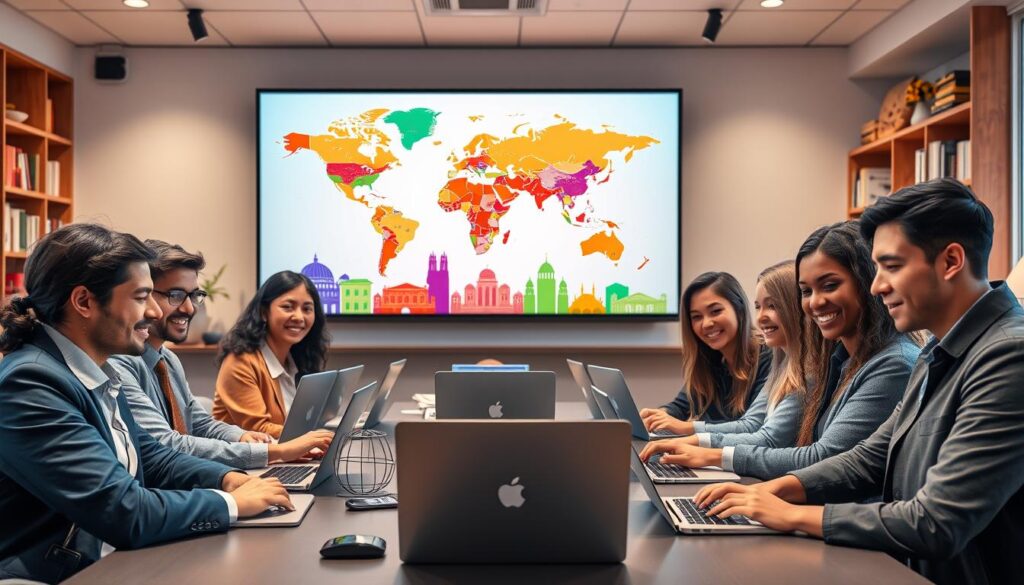
“Well-designed remote programs pair live interaction with place-based materials to create an immersive learning path.”
- Flexible pacing for busy students.
- Access to experts in different cities and countries.
- Structured modules that support credit transfer and practical skills.
| Feature | In-Person | Remote Formats |
|---|---|---|
| Location Immersion | Full, on-site | Live streams, local guides |
| Cost | Higher (travel, housing) | Lower (no relocation) |
| Schedule | Fixed term | Flexible modules |
As the world connects more tightly, these programs offer a practical way to earn global perspective through immersive and structured digital study.
Key Benefits of Remote International Education
Access to instructors and peers around the globe lets students practice real skills without leaving home.
Academic and Professional Growth
Remote programs let learners earn credit and strengthen a résumé with targeted courses and internships.
Participants can take language classes that count toward a degree and add measurable skills to their profiles.
Mavris Masterson, who attended the University of Oslo International Summer School, learned basic Norwegian in six weeks.

Intercultural Competence and Empathy
These programs create a global classroom where people from many cultures work on shared projects.
Students build listening skills and cultural sensitivity by collaborating with peers across time zones.
“I improved my speaking and cultural confidence in weeks,” said a recent participant.
- Professional skills: teamwork, communication, and digital collaboration.
- Language gains that support studying abroad or future work abroad.
- Health-conscious design keeps learning safe and supportive for all learners.
In short, remote international education offers academic credit, practical skills, and a broader perspective on the world.
Exploring Diverse Program Formats and Activities
Many offerings mix professional placements with curated city tours to create a rich international experience.
Types of Engagement
A common option is a placement-style internship that connects students with employers in global hubs. Arcadia University, for example, places interns with organizations in London, Rome, and Athens during the summer months.
Another option pairs guided tours of historic sites with classroom lessons. Zach Demko took part in a virtual tour of Aachen’s museums, which helped him learn German history in context.
- Internship placements that build career skills while you study.
- Guided city tours and museum sessions that bring history to life.
- Language conversation labs and collaborative group projects with peers across the globe.
These programs offer flexibility and real work experience without long travel. Each program aims to mirror the cultural immersion of traditional study abroad programs while supporting credit and professional growth.
Navigating Academic Credits and Professional Development
Earning credit while interning for global teams gives students both academic momentum and a professional edge.
Earning Degree Progress
Many study abroad programs offer clear pathways to transfer credit during fall or summer terms.
Colleges often approve structured classes and project work that count toward your major. This helps you keep on track for graduation while gaining international context.
Remote Internship Opportunities
The Intern Group partners with over 3,000 leading organizations to place students in remote internships.
These internships let you build real-world skills from home, working on projects with supervisors in other countries.
Building Global Networks
Networking is a core part of the professional journey. Internships connect students with teammates and mentors across time zones.
That contact often turns into job leads, references, and lasting professional ties that support your career after college.
- Credit pathways keep academics on schedule.
- Internships develop technical skills and workplace habits.
- Global networks expand career opportunities and cultural fluency.
Financial Considerations and Scholarship Opportunities
Budget planning is a make-or-break step when students weigh global program options and costs.
Tuition and fees vary widely. Short January programs can start near $3,650 while semester options may reach $19,968. Knowing these ranges helps you compare college terms, summer choices, and total expenses.
CIEE offers scholarships and grants for students with demonstrated need and academic merit. Those funds can reduce tuition and cover other program costs like materials or health resources.
- Plan a realistic budget that includes tuition, tech needs, and travel where applicable.
- Explore CIEE and institutional grants to lower out-of-pocket costs.
- Check that health and safety services are included in the fee schedule.
Many remote options cost less than an in-person summer or semester abroad, but students should still review all financial aid and payment plans. For more details on available formats and funding, see this resource on virtual study abroad courses.
Essential Tips for Success in a Virtual Environment
Good time habits and reliable tools turn a digital program into a career-building experience. Start by mapping weekly priorities for classes, internship tasks, and assignment deadlines. A simple calendar and daily checklist keep momentum steady.
Time Management and Technical Skills
Mastering time management is crucial when balancing an internship and academic classes during fall or summer terms. Break work into focused blocks and schedule buffer minutes for short breaks and quick review.
Develop strong technical skills so you can join live sessions, submit work on time, and use collaboration platforms with confidence. Test your camera, mic, and connection before important meetings.
- Communicate often with instructors to confirm requirements and credit for each course.
- Be flexible: adjust your hours to meet peers across time zones when needed.
- Keep health and well-being a priority to sustain performance and focus.
Treat the program like an in-person experience: show up on time, ask questions, and seek feedback. That dedication turns classroom time into tangible career gains and better learning outcomes.
Overcoming Challenges and Ensuring Health and Safety
Clear health protocols and cultural awareness turn challenges into manageable parts of the program. Safety plans should outline medical support, emergency contacts, and mental health resources for students participating from home or abroad.
Awareness of host-country customs and basic language phrases helps people avoid misunderstandings. That cultural perspective is vital for a successful internship and richer learning experience.
- Prioritize health: review vaccination, privacy, and telehealth options before the program begins.
- Learn local norms and simple language cues to improve communication with peers and mentors.
- Set realistic time blocks for work, reflection, and self-care to protect academics and well‑being.
“Organizations like CIEE partner with experts to create clear safety guidance so students can focus on learning and cultural exchange.”
Engaging with a country’s history and language deepens perspective and builds the skills needed for future travel and careers. With planning and local support, these challenges become growth opportunities that strengthen the overall study abroad experience.
Conclusion
To close, well‑structured programs can boost your résumé and deepen cultural understanding while lowering tuition and travel costs.
Explore study abroad programs that fit your college schedule and academic goals. Choose options that offer clear credit pathways and meaningful internships or cultural work.
These abroad programs give access to global perspectives and peer networks without high relocation costs. When you pick the right program, you advance education and career aims with real-world experience.
Consider program format, credit transfer, and total costs before you apply. Take the next step and review available options to find a course that matches your needs and timeline.