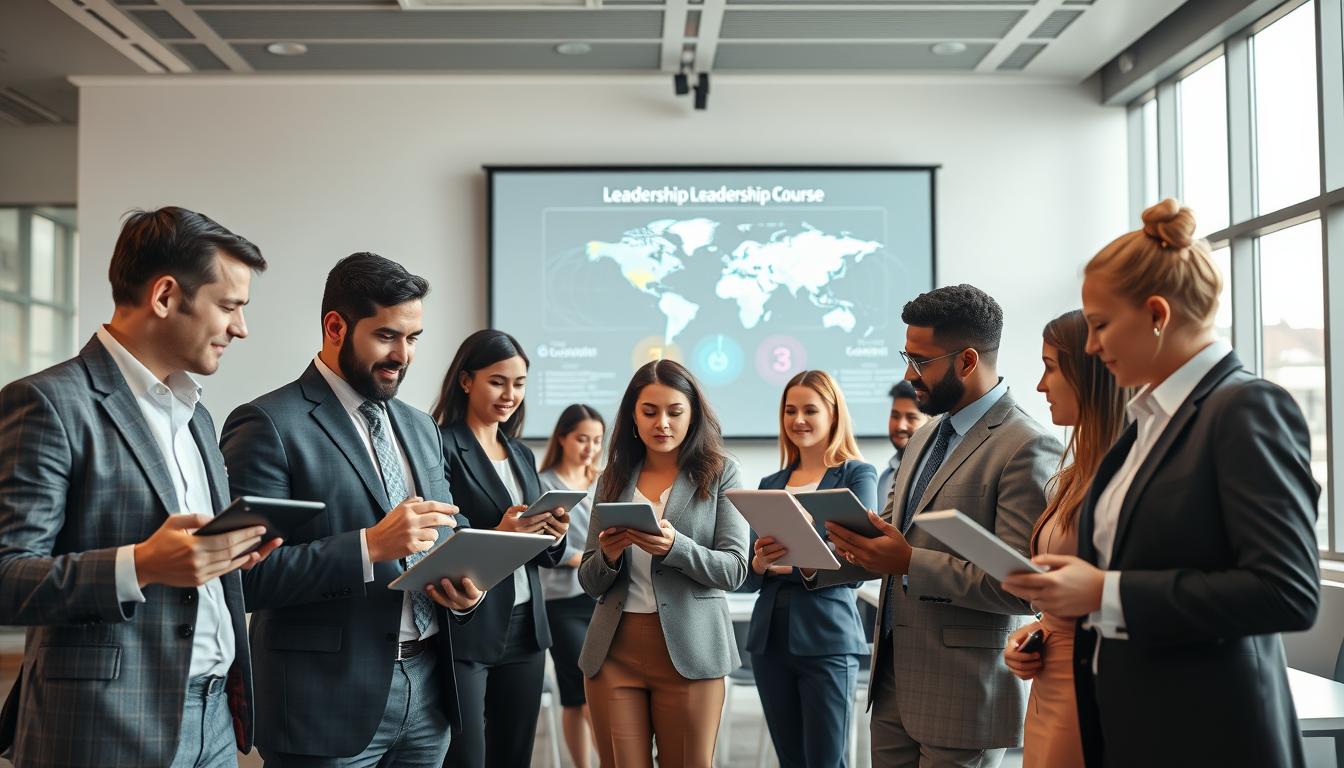
Can collaborating across borders change how students solve science problems?
UT Austin has offered Global Virtual Exchange programs across 12 colleges and schools to expand education and bring fresh perspectives to class work.
These digital exchange stem courses let students join peers in other countries to tackle real problems. The mix of technologies and tools supports teamwork and hands-on practice.
With a wide number of programs, every student can find a course that fits their path. From application to the end of the semester, instructors guide learning through varied ethics and curriculum content.
Whether you attend a school in the United States or abroad, this virtual exchange experience builds communication and practical skills. Read on to discover how these classes prepare students for future innovation.
Understanding the Concept of Digital Exchange STEM Courses
Across many campuses, online partnerships are reshaping how learners tackle scientific challenges. This section clarifies what a virtual exchange is and how it ties into science education.

Defining Virtual Exchange
A virtual exchange links students and instructors from different schools to work on shared projects. It blends video meetings, shared data tools, and guided activities.
The STEM Connection
These programs make science learning collaborative. In the 2024–2025 academic year, 3,031 GSU students joined virtual exchange programs to connect with peers around the world.
- Hands-on projects: Teams solve real problems and present findings to class peers.
- Instructors guide the process and design cross-cultural activities.
- Students gain access to resources and perspectives from global schools.
- The collaborative model helps each student contribute meaningful scientific work.
As a result, this approach broadens education pathways and prepares learners for teamwork in an interconnected world.
The Evolution of Virtual Learning Environments
In recent years, learning platforms have grown more capable, letting students join peers worldwide for hands-on projects.
Since 2019, the number of participants has surged: over 12,000 students have taken part in virtual exchange programs. This growth shows a clear shift in education and how people connect across borders.

- Expanded access: Modern technologies let schools run richer activities for diverse learners.
- Every instructor can design interactive tasks that reach students in multiple time zones.
- As the participant base grows, the model keeps improving to support more exchange and teamwork.
These environments give students tools once limited by geography. They also help education remain adaptable as platforms and interfaces evolve.
Core Benefits for Future Innovators
Global classroom projects help students build skills that matter to employers and communities.
Participating in a virtual exchange gives students direct practice in intercultural communication. An instructor-led format creates a clear path for feedback and growth.
Building Intercultural Competence
Students who complete this experience report stronger teamwork and better problem-solving across cultures. These activities push each student to adapt and listen.
- Improved communication in mixed teams
- Hands-on learning under guided instruction
- Preparation for global workplaces
| Benefit | How It Helps | Who Gains |
|---|---|---|
| Cross-cultural understanding | Enhances collaboration and empathy | Students, schools |
| Workforce readiness | Builds communication and teamwork skills | Student, instructor-guided teams |
| Inclusive learning | Broadens perspectives across programs | Schools and students |
In short, the number of benefits extends beyond academics. This course-style experience strengthens skills that matter in modern education and careers.
Developing Essential Skills Through Global Collaboration
Working with peers from multiple countries trains students to handle the messy problems of real scientific work. This group setup mirrors how professionals collaborate across the world and builds practical habits for teamwork and communication.
The virtual exchange experience connects students with peers at other schools to deepen learning and build concrete skills. Small, instructor-led activities keep each class focused so the work moves forward and everyone contributes.
The number of students joining these programs keeps rising as more institutions value collaborative education. Instructors design tasks that break big problems into steps and guide teams through tough technical and cultural challenges.
- Clear roles and feedback improve group learning.
- Cross-border projects expose students to real challenges and varied approaches.
- Active collaboration readies learners to apply their skills in research and industry.
By working with peers around the world, students gain the experience and confidence to contribute meaningfully to modern science and education.
Integrating Virtual Exchange into Academic Curricula
Integrating partner-school projects into syllabi helps students apply classroom concepts to global problems.
The HDO 350 “Identities in Organizations” partnership with the University of Turku shows how schools can embed global perspectives into a degree track. That course used library materials and high-level information to support student research.
Aligning with Sustainable Development Goals
Faculty align activities with sustainable development so projects link theory to impact. Students tackle work that maps to global goals while meeting ethics and curriculum standards.
Institutional Support
Every instructor designs content to meet degree requirements and guide collaboration across levels.
- Central funding and IT help manage cross-school logistics.
- Library access and shared resources ensure equal information for all students.
- Clear policies keep ethics and assessment consistent for classes.
| Area | What It Provides | Who Benefits |
|---|---|---|
| Library & Resources | Shared databases and guides | Students, instructors |
| Administrative Support | Scheduling, credit mapping | Schools, program managers |
| Faculty Training | Instructional design for collaboration | Instructors and students |
Leveraging Digital Tools for Scientific Discovery
Cloud-based labs and shared datasets let students test hypotheses with partners overseas in near real time.
The PA 325 partnership between UT Austin and Hiroshima University used these platforms to study climate and sustainable planning. That collaboration gave learners access to global models and regional data.
Every instructor asks students to use collaborative tools to explore new ideas in science. These methods make learning active and hands-on rather than only theoretical.
The growing number of supported activities shows how schools and research centers link up. Students can pull data, run simulations, and compare results with peers abroad.
| Use | Benefit | Who |
|---|---|---|
| Shared datasets | Faster hypothesis testing | Students, instructors |
| Remote instruments | Access to regional measurements | Schools, research labs |
| Collaboration portals | Streamlined project workflows | Student teams |
By leveraging these tools, education becomes more dynamic. Students contribute to meaningful research from their own classrooms and expand global collaboration.
Overcoming Challenges in Cross-Border Education
When peers span continents, simple meeting logistics become a key part of the learning process.
Managing Time Zones and Communication
Coordinating across time zones pushes students to plan ahead and set clear meeting norms. Small teams make scheduling easier, and a shared calendar cuts confusion.
An effective instructor provides tools and a clear process. They add deadlines that fit multiple time zones and teach best practices for remote work.
“Regular check-ins and concise agendas turn logistical hurdles into chances for better teamwork.”
- Use overlapping hours for live sessions and async updates for other tasks.
- Agree on communication norms: response times, platforms, and file naming.
- Break big tasks into small activities so every group member contributes.
The number of successful classes shows that strong communication and simple tools help students overcome these challenges. These activities build the skills needed for modern education and global work.
The Role of Instructors in Facilitating Global Connections
Instructors shape how global partnerships turn into real classroom gains for every student. A strong instructor helps students move from uncertain group work to steady, purposeful learning.
Yali Zhao, Ph.D., leads International Virtual Exchange at Georgia State University and shows how faculty use new technologies to link schools and student teams. Her role highlights tools and methods that make collaboration practical and fair.
Every course is planned to support the student journey. The instructor provides clear goals, timelines, and tools so the work ties to real science problems and career-ready skills.
- Set meeting norms and split tasks so students contribute equally.
- Use simple technologies to share data and feedback across time zones.
- Design activities that connect classroom theory to real-world impact.
“An instructor’s guidance turns scattered efforts into measurable learning outcomes.”
| Role | What it supports | Who benefits |
|---|---|---|
| Facilitation | Clear agendas and check-ins | Students, school teams |
| Technology use | Shared tools and simple workflows | Student groups |
| Assessment | Feedback tied to real science work | Education programs |
Enhancing Student Resumes with Digital Credentials
A verifiable badge can turn semester work into a clear resume highlight for students.
At the end of the semester, students earn a Virtual Exchange Badge that documents their skills and global teamwork. This credential shows employers and schools that a student completed structured, instructor-led activities with peers abroad.
The number of students who earn this badge keeps rising, reflecting how valued this learning has become in modern education. Earning the badge gives a student a competitive edge and a concise way to show real-world collaboration skills.
- Showcases teamwork, communication, and project results.
- Encouraged by every instructor as a resume-ready proof point.
- Helps schools prepare students for global workplaces.
| Credential | What it proves | Who benefits |
|---|---|---|
| Virtual Exchange Badge | Global teamwork and applied skills | Students, employers |
| Project Transcript | Detailed activities and outcomes | Graduate schools, hiring managers |
| Instructor Letter | Context on student role and growth | Students, admission panels |
Promoting Inclusivity in Science and Technology Education
When schools design accessible labs and workflows, more students gain hands-on learning that matters.
Promoting inclusivity ensures every student can use the tools and join meaningful science projects. Instructors shape activities so roles are clear and every voice counts.
These practices bridge gaps between schools and create equal access to resources. The number of students who benefit keeps rising as teams use simple technologies and guided support.
By focusing on core skills and active learning, programs help learners build confidence and real-world experience. A supportive instructor and fair assessment make participation practical for diverse groups.
| Barrier | Solution | Who Benefits |
|---|---|---|
| Limited lab access | Shared remote tools and schedules | Students, school labs |
| Uneven mentoring | Instructor-led checklists and peer mentors | Student teams |
| Resource gaps | Open data and low-cost tools | Schools and learners |
Inclusive design is a core value of modern education. Every course that centers equity helps students thrive and widens participation in science and innovation.
Real-World Applications of Virtual Research Projects
Hands-on virtual research lets students turn code and designs into physical prototypes using campus fabrication labs.
These virtual exchange projects let a small group apply classroom learning to real-world applications like 3D printing and fabrication. Each team moves from design files to tangible parts and tests how ideas perform in practice.
Work on these projects stresses professional ethics and safe lab practice. Instructors set standards so every student learns proper handling, data reporting, and responsible use of tools.
- Students gain hands-on skill with printers, cutters, and shared software.
- Projects reinforce the application of science to concrete problems.
- The number of successful collaborations shows that this model scales across programs.
By joining these activities, students build teamwork and cross-border collaboration skills that matter for modern education and careers. For a practical overview and enrollment details, see this virtual research projects guide.
Navigating Prerequisites and Enrollment Processes
Joining a global partner class at UT Austin rarely requires extra paperwork beyond normal registration. Most students register through their usual campus system and add the class like any other.
Still, check each course’s information and the library resources before you enroll. Some classes list prerequisites or require specific background to join group projects and lab work.
The offerings appear at many levels so undergraduates and graduate students can find a fit for their degree and curriculum. This range increases the number and variety of possibilities for hands-on practice and academic content.
To avoid common challenges, review syllabi early and confirm expectations about time zones, meeting times, and ethics guidelines. Clear planning saves time and keeps project work on track.
“Review course details and library support first; a little prep reduces surprises and helps teams focus.”
- No separate application for most classes — enroll as usual
- Verify prerequisites and library access before the term
- Pick the level that matches your degree and goals
Impact of Global Networking on Career Development
Collaborating with peers around the world reshapes how students plan their careers after graduation. A global exchange connects students to mentors, employers, and future collaborators in many countries.
Working in a group on joint projects builds clear teamwork skills. These activities teach practical problem solving in science and tech settings. They also broaden perspectives and make resumes stand out to hiring managers.
- Networking: The number of professional contacts often leads to internships and job offers.
- Practical growth: Hands-on collaboration helps students develop leadership and real-world skills.
- Global readiness: Cross-border work prepares graduates to handle diverse challenges at work.
“Connections made during these projects turn classroom learning into career momentum.”
Overall, this form of education supports long-term career development and development of transferable skills. Students who engage in these activities return with stronger resumes and real-world experience to lead in a global economy.
Future Trends in International Educational Partnerships
Cross-border partnerships are poised to expand how institutions share classroom work and expertise.
We will see a steady increase in the number of joint offerings as schools scale programs. New technologies will shape the process, making learning more immersive and collaborative for students.
Every instructor will adapt their approaches to help students build practical skills. This means simpler workflows, clearer roles, and more frequent feedback loops during projects.
- Growth in joint programs opens new possibilities for global content and diverse perspectives.
- Tools that enable real-time collaboration will shorten project cycles and improve outcomes.
- Intentional design and training will support equitable participation across time zones.
“Thoughtful partnerships turn classroom work into meaningful connections across borders.”
As these developments continue, education systems in the United States will keep the focus on relevance and impact. Students who engage early will gain an advantage in research, careers, and global collaboration.
Conclusion
Students who join partner programs gain practical experience and broader perspectives. These projects let learners practice teamwork, communication, and problem solving with peers in other countries.
The rising number of participants shows how important these programs are to modern education. A growing number of students earn verifiable credentials that highlight real project work and applied skills.
By connecting across borders, students prepare for future careers and bring fresh ideas back to campus. We encourage every student to explore available exchange options to boost both academic success and professional growth.